
Quality
Quality, reliability and sustainability are central components of our corporate philosophy. Our aim is to provide products and services that consistently meet our customers’ requirements as well as the applicable legal and regulatory standards. Through clearly defined processes, modern technologies and skilled staff, we ensure that our services are delivered to a consistently high standard.
A key element of our corporate structure is a systematically organised management system that ensures our processes are transparent and efficient. Through regular reviews, internal audits and continuous improvement measures, we constantly refine our processes, thereby safeguarding the high quality of our services in the long term.
The most cost-effective way to earn money
- We alignour products and services consistently to the needs and requirements of our customers
- We develop and manufactureour products in accordance with strict environmental protection standards
- We helpwith our solutions to increase our customers’ productivity and product quality whilst reducing costs
What we use for testing
Two groups of equipment are used in production and development: one monitors the process from printing to reflow, whilst the other examines the material afterwards. The designations originate from our research and development department.
Process and processing
- Rheometer
- Viscometer
- Cross-section grinder
- Tackiness Tester
- Mounter
- Thermal shock
- Reflow simulator
- Image Analysis
- Robotic Soldering (Iron + Laser)
- Thermal Cycle
- Soldering machine / printer
- Temperature and Humidity
- 3D Checker
- Reflow Oven
Analysis and Evaluation
- X-ray analysis
- EPMAElectron beam microanalysis
- Mass Spectrometer
- SEM/EDSScanning electron microscope
- Potentiometric Titration
- Optical emission spectrometer
Our equipment – your quality assurance
Benefit from our production facilities for precise analyses and transparent evaluations.
-
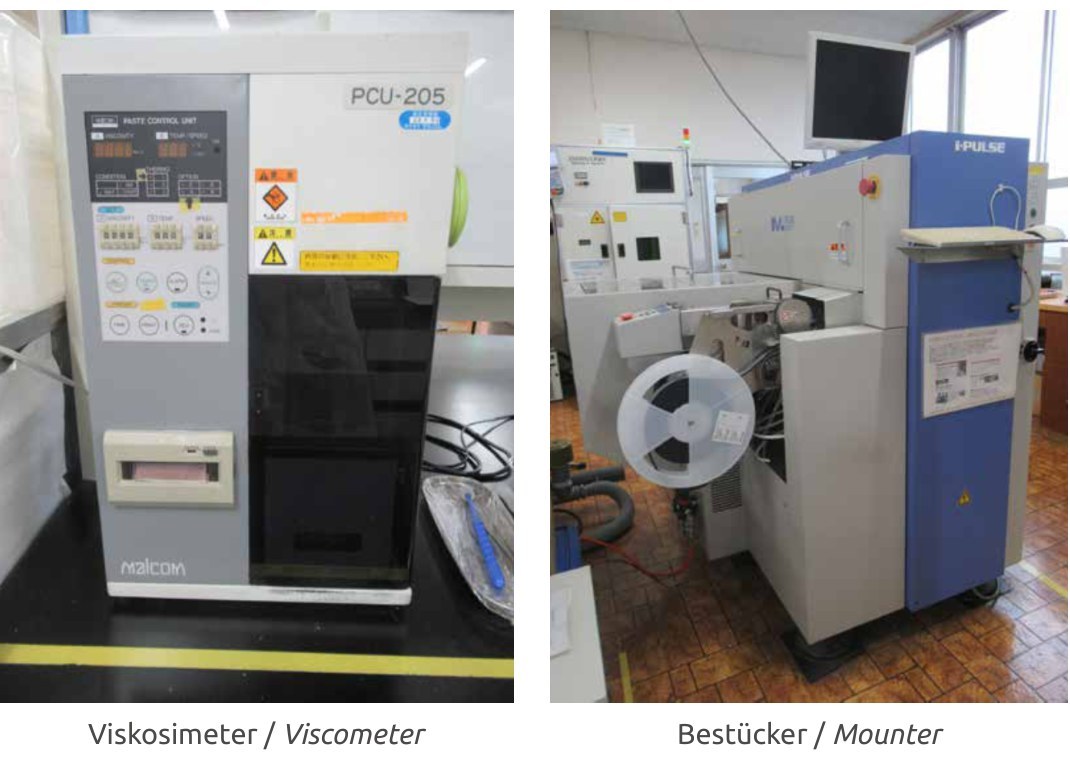
Viscometers and placement machines in the Almit laboratory -
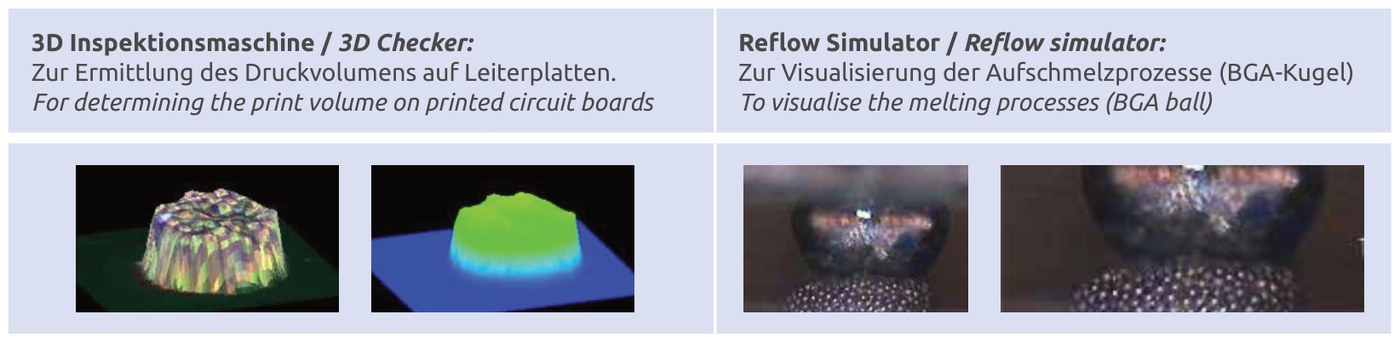
3D checker and reflow simulator -
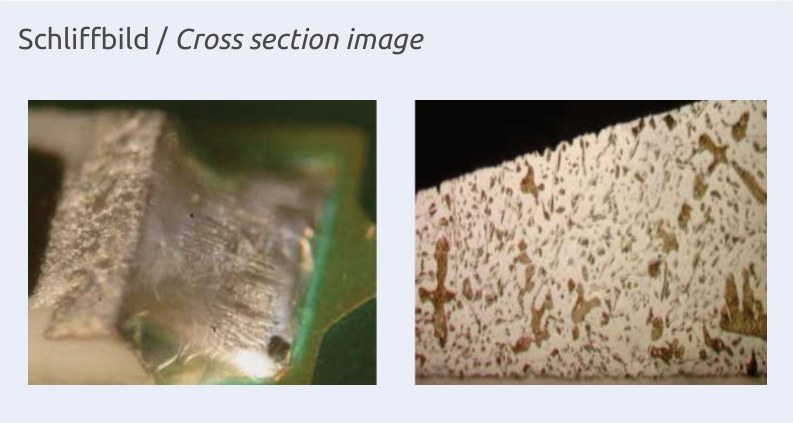
Cross-section images of a solder joint -
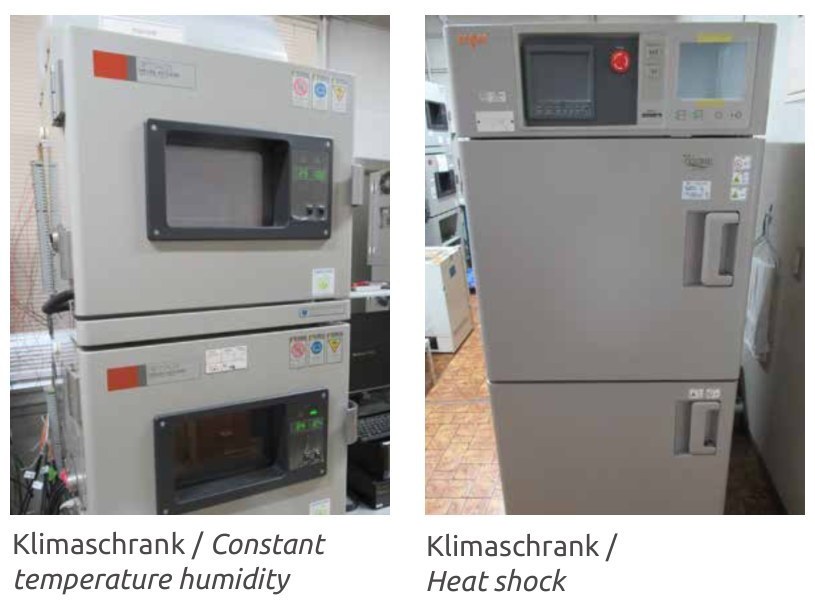
Climate chambers in the Almit laboratory -

EPMA images and X-ray images
Example of EPMA
Elemental analysis of small surface areas
- Methods
- Wavelength-dispersive analysis (WDS or WDX). Energy-dispersive analysis (EDS or EDX).
- Principle
- Analysis of characteristic X-rays emitted when the sample is bombarded with an electron beam.
- Result
- Acquisition of surface images and element distributions.
- Quantification
- The signal from characteristic X-ray lines is proportional to the element's concentration.
Initial state
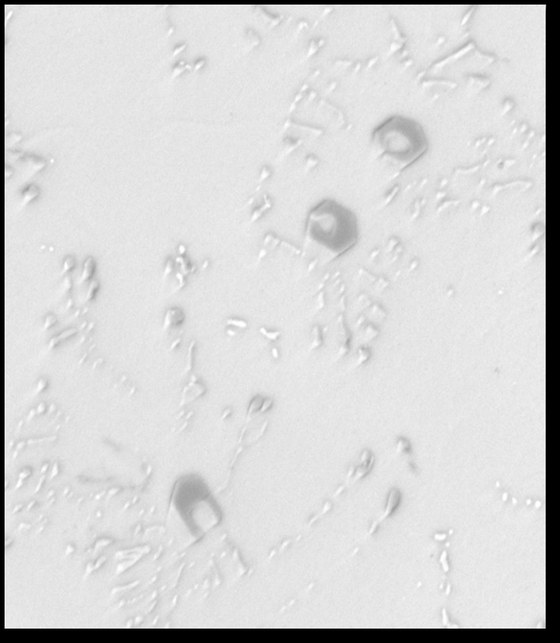
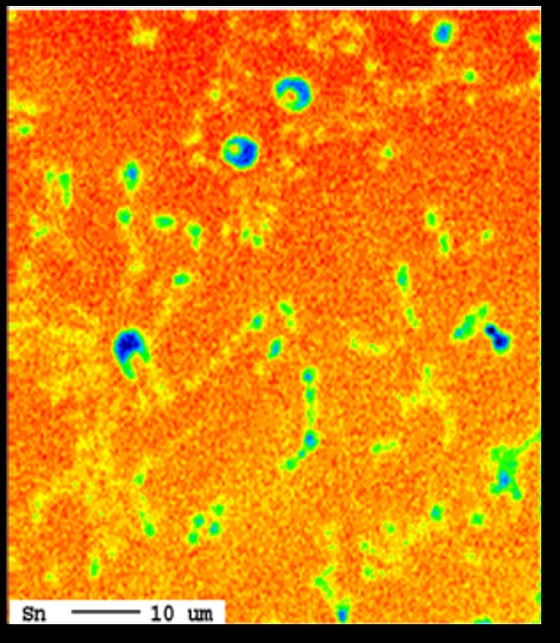
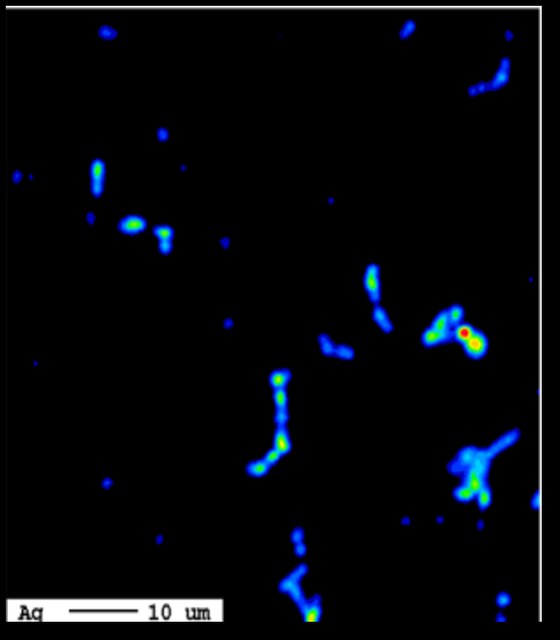
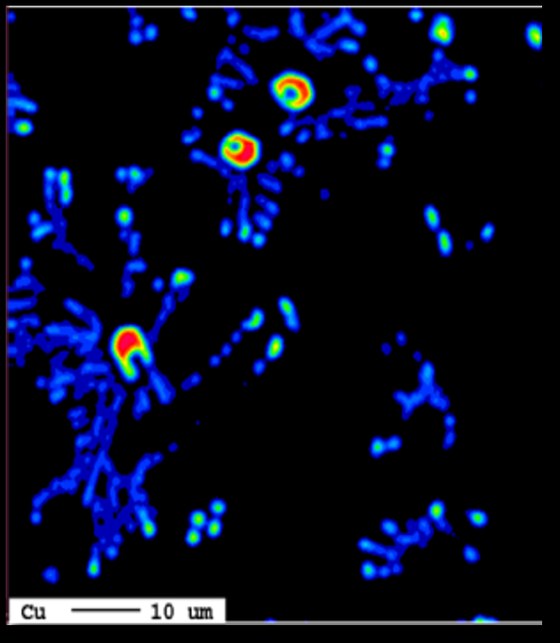
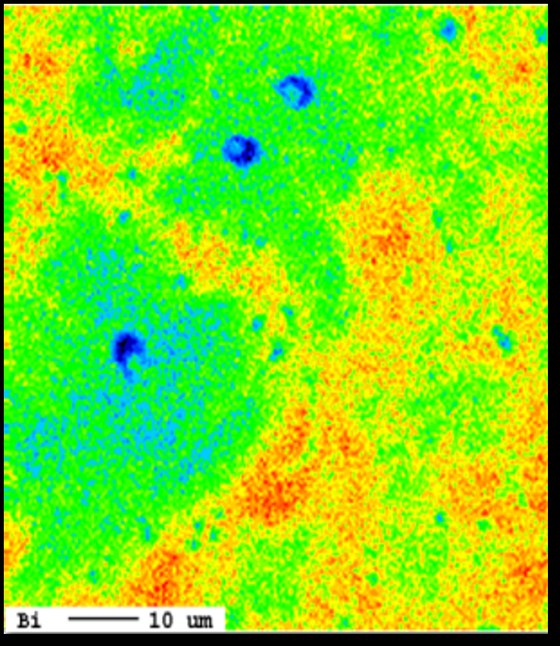
After 1,500 cycles
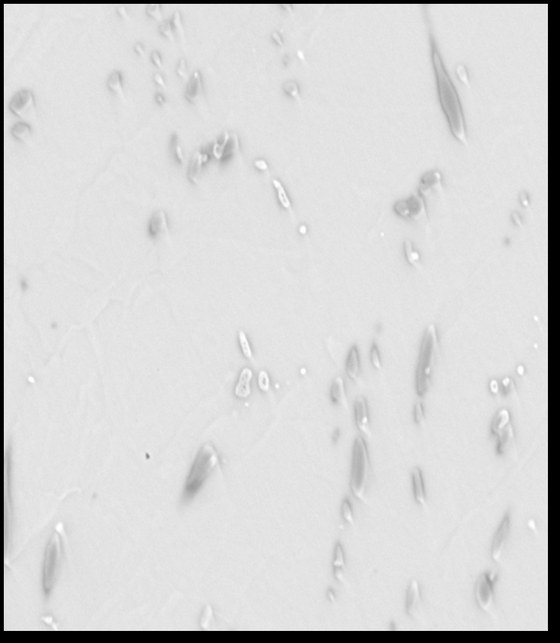
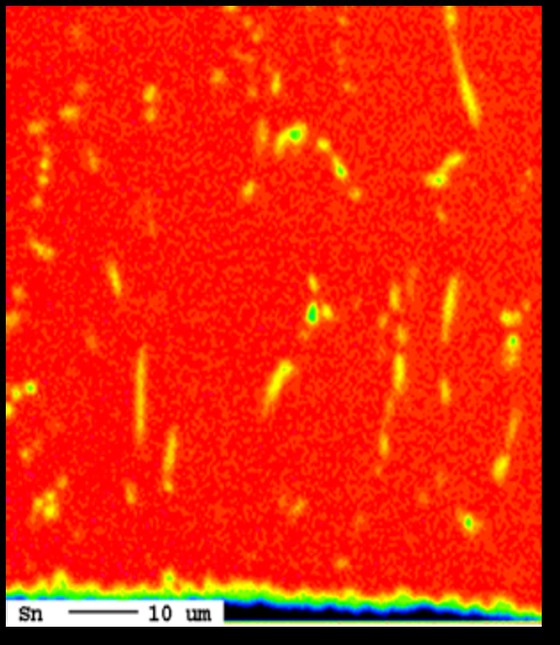
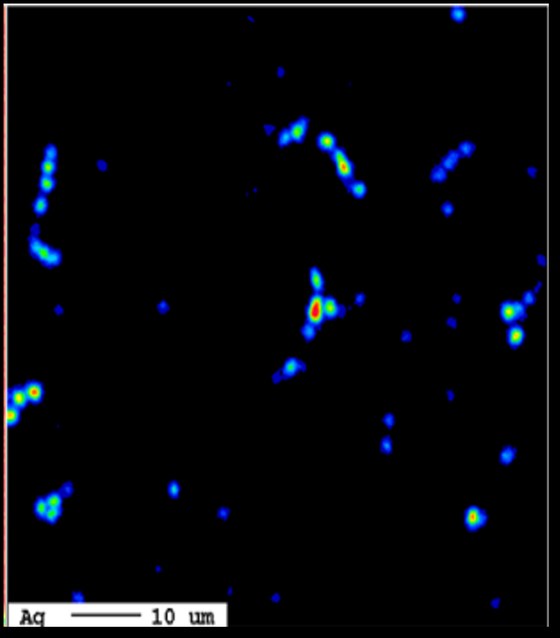
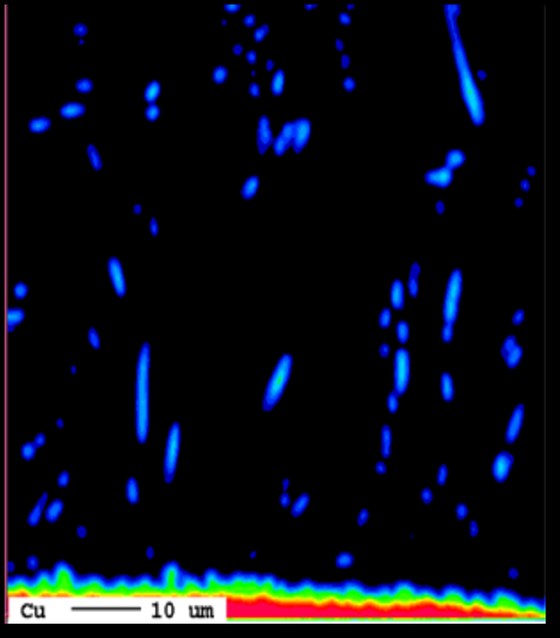
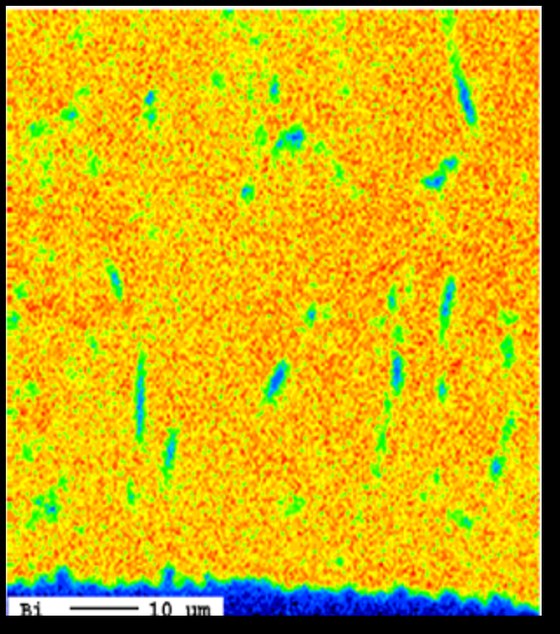
Bi becomes finely dispersed following the thermal cycles.
EPMA element mapping (SJM alloy) · EPMA JEOL JXA-8100
Certified management systems
-
Quality management
Our quality management system is certified to DIN EN ISO 9001:2015. The certification is issued by TÜV SÜD Management Service GmbH and confirms compliance with international standards for effective quality management and the continuous improvement of our processes.
-
Environmental Management
Our environmental management system is certified to DIN EN ISO 14001:2015. The certification is issued by TÜV SÜD Management Service GmbH and confirms our compliance with internationally recognised standards for systematic and continuously improved environmental management.
A solder joint that raises questions?
Send us your sample – a micrograph, element distribution or X-ray image, whichever will answer your question.